Einleitung: Ein Markt, geprägt von strengen Standards und informierten Verbrauchern
Der heutige internationale Geflügelverpackungsmarkt stellt eines der anspruchsvollsten und vielschichtigsten Umgebungen für Produzenten und Verpacker dar. Mit einer Weltbevölkerung von über 8 Milliarden Menschen, einer stark ausgeprägten Kultur des Qualitätsbewusstseins für Lebensmittel und einigen der weltweit strengsten Lebensmittelsicherheits- und Umweltvorschriften setzt der internationale Markt die Messlatte für Produzenten und Verpacker gleichermaßen hoch.
Wenn Sie ein Produzent sind, der Exportmärkte beliefern möchte, ist die Verpackung Ihres Geflügels nicht nur eine schützende Hülle. Sie ist ein kritischer Erfolgsfaktor, der gesetzliche Anforderungen erfüllen, mit den Verbrauchererwartungen an Nachhaltigkeit übereinstimmen und Ihr Produkt in einem hart umkämpften Regal differenzieren muss. Dieser Artikel untersucht die spezifischen Anforderungen und Bedürfnisse des Geflügelverpackungssektors in internationalen Märkten und bietet einen umfassenden Leitfaden für Produzenten, die in diesem wettbewerbsintensiven Umfeld erfolgreich sein möchten.
Die Geflügelverpackungsindustrie hat im letzten Jahrzehnt eine bemerkenswerte Transformation durchgemacht. Was einst ein einfacher Prozess des Einlegens von Fleisch in einen Beutel oder eine Schale war, hat sich zu einem anspruchsvollen Betrieb entwickelt, der Präzisionstechnik, Materialwissenschaften und ein tiefes Verständnis der regulatorischen Rahmenbedingungen erfordert. Die heutigen Verpackungslinien sind integrierte Systeme, die mehrere Technologien kombinieren, um Produkte zu liefern, die sicher, attraktiv und nachhaltig sind.
Für Produzenten, die in internationale Märkte eintreten, stehen die Einsätze höher denn je. Verbraucher in reifen Märkten haben anspruchsvolle Erwartungen daran entwickelt, wie ihre Lebensmittel präsentiert werden sollen. Sie fordern Transparenz, Nachhaltigkeit und Bequemlichkeit, während sie gleichzeitig erwarten, dass das Produkt auf seinem Weg vom Bauernhof bis zum Tisch frisch und sicher bleibt. Um diese Erwartungen zu erfüllen, ist ein umfassender Ansatz für die Verpackung erforderlich, der bereits in der Entwurfsphase beginnt und sich bis zum Einzelhandelsregal fortsetzt.
Ist Ihre Geflügelverpackung für internationale Märkte bereit? Das Ingenieurteam von Vormek ist auf Verpackungslösungen spezialisiert, die globale regulatorische Anforderungen und Verbrauchererwartungen erfüllen. Kontaktieren Sie uns, um Ihre spezifischen Anforderungen zu besprechen.
Der regulatorische Rahmen: Das Fundament der Verpackung in internationalen Märkten
Die globale Geflügelverpackungslandschaft wird von einem komplexen und sich entwickelnden Regelwerk bestimmt, das zu den strengsten der Welt gehört. Das Verständnis dieser Vorschriften ist nicht optional; es ist eine Voraussetzung für den Markteintritt und langfristigen Erfolg. Die Einhaltung gesetzlicher Vorschriften ist das Fundament, auf dem alle erfolgreichen Verpackungsbetriebe aufbauen.
Die neue EU-Verpackungsverordnung (PPWR)
Die bedeutendste regulatorische Änderung am Horizont ist die neue EU-Verpackungs- und Verpackungsabfallverordnung (PPWR) (Verordnung (EU) 2025/40). Diese Verordnung wird ab dem 12. August 2026 direkt in allen EU-Mitgliedstaaten gelten und die bisherige Verpackungsrichtlinie ersetzen. Ihre Auswirkungen werden weit über die europäischen Grenzen hinaus spürbar sein, da viele internationale Märkte ihre eigenen Vorschriften an die EU-Standards angleichen.
Für Geflügelproduzenten und -verpacker führt die PPWR mehrere kritische Anforderungen ein, die die Art und Weise, wie Verpackungen gestaltet und hergestellt werden müssen, grundlegend verändern:
1. Verpflichtende Recyclingfähigkeit
Ab August 2026 müssen alle in Verkehr gebrachten Verpackungen recyclingfähig sein. Das bedeutet, dass das Verpackungsdesign und die Materialien so beschaffen sein müssen, dass sie ohne Schwierigkeiten wiederverwendet und wiederaufbereitet werden können. Dies ist ein grundlegender Wandel, der viele Produzenten dazu zwingen wird, ihre Materialentscheidungen zu überdenken. Die Tage der Einwegverpackungen, die nicht recycelbar sind, sind gezählt, und Produzenten, die sich nicht anpassen, werden sich von Schlüsselmärkten ausgeschlossen sehen.
2. Verpackungsminimierung
Artikel 10 der PPWR schreibt vor, dass Verpackungen minimiert werden müssen. Dies bedeutet, übermäßige Materialien, Gewicht und Volumen zu vermeiden. Die EU-Kommission wird Grenzwerte für Leerraum, Wandstärke und Gewicht für gängige Verpackungstypen festlegen. Bei einem schalenversiegelten Geflügelprodukt könnte dies die Schalentiefe und den Folieneinsatz direkt beeinflussen. Produzenten müssen nun sorgfältig über jedes Gramm Material nachdenken, das in ihrer Verpackung verwendet wird.
3. Anforderungen an den Rezyklatanteil
Ab dem 1. Januar 2030 muss jeder Kunststoffanteil einer in Verkehr gebrachten Verpackung einen festgelegten Mindestanteil an Rezyklat aus post-consumer Kunststoffabfällen enthalten. Dieser Prozentsatz liegt je nach Verpackungstyp zwischen 10 % und 35 %. Diese Anforderung treibt erhebliche Investitionen in die Recyclinginfrastruktur und die Entwicklung von lebensmittelgeeigneten Rezyklaten voran.
4. Beschränkungen von Stoffen
Die Verordnung legt Grenzwerte für bestimmte gefährliche Stoffe fest, darunter einen Grenzwert von 100 mg/kg für die Summe von Blei, Cadmium, Quecksilber und sechswertigem Chrom. Sie adressiert auch PFAS in Lebensmittelkontaktverpackungen, was die wachsende Besorgnis über diese langlebigen Chemikalien in der Nahrungskette widerspiegelt.
5. Erweiterte Herstellerverantwortung (EPR)
Die PPWR erweitert die Definition des “Herstellers” um Importeure und Händler, die Verpackungen erstmals in einem Mitgliedstaat bereitstellen. Diese Hersteller müssen sich in einem nationalen Register registrieren und zu den Kosten der Abfallbewirtschaftung beitragen. Dies verlagert die finanzielle Last der Verpackungsabfallentsorgung von den Gemeinden auf die Hersteller und schafft einen starken Anreiz, Verpackungen zu reduzieren und die Recyclingfähigkeit zu verbessern.
6. Standardisierte Kennzeichnungspflichten
Ab August 2026 unterliegen Verpackungen neuen, harmonisierten EU-Kennzeichnungsanforderungen. Diese umfassen:
- Leicht verständliche Piktogramme, die die Materialzusammensetzung der Verpackung detailliert darstellen (z. B. “PET” oder “PP”).
- Informationen zur Sortierung und Entsorgung der Verpackungsbestandteile.
- Die Identifikation (Typ, Charge, Seriennummer) der Verpackung zur Rückverfolgbarkeit.
Internationale Vorschriften zu Fleischherkunft und -kennzeichnung
Zusätzlich zu den EU-weiten Vorschriften haben viele internationale Märkte ihre eigenen spezifischen Anforderungen an die Fleischkennzeichnung. Diese Anforderungen sollen den Verbrauchern klare Informationen über die Herkunft und die Beschaffenheit der von ihnen gekauften Produkte bieten.
Für Geflügel müssen in der Regel die folgenden Informationen auf der verpackten Ware aufgeführt werden:
- Die Verkehrsbezeichnung: Die Geflügelart und der spezifische Teil des Vogels müssen klar identifiziert werden.
- Die Handelsklasse: In vielen Märkten wird für Verbraucherfleisch nur die höchste Klasse verwendet, was einen Qualitätsbasissstandard gewährleistet.
- Der Erhaltungszustand: Produkte müssen eindeutig als frisch, gefroren oder tiefgefroren gekennzeichnet sein.
- Die Zubereitungsform: Die Etiketten müssen angeben, ob das Produkt kochfertig, grillfertig ist oder eine weitere Zubereitung erfordert.
- Herstellerinformationen: Der Name und die Adresse des Herstellers oder Lieferanten müssen angegeben werden.
- Datumsangaben: Das Mindesthaltbarkeitsdatum (für gefrorene Produkte) oder das Verbrauchsdatum (für frische Produkte) müssen deutlich aufgedruckt sein.
- Gewichts- und Preisangaben: Gewicht, Gesamtpreis und Preis pro Kilogramm müssen angegeben werden, um einen Preisvergleich zu ermöglichen.
Für Geflügel, das als “frisch” definiert ist (nicht durch Kühlung oder Einfrieren konserviert), muss es in der Regel bei einer Temperatur zwischen 2 °C und 4 °C gehalten werden. Dieses kurze Zeitfenster erzeugt erheblichen Druck auf die Lieferkette und macht die Verpackungsintegrität absolut entscheidend.
Die Bedeutung von HACCP und Lebensmittelzertifizierung
Neben den verpackungsspezifischen Vorschriften müssen Geflügelproduzenten auch umfassende Lebensmittelsicherheitssysteme implementieren. Das HACCP-System (Gefahrenanalyse und kritische Lenkungspunkte) wird weltweit als Goldstandard für das Lebensmittelsicherheitsmanagement anerkannt.
HACCP verlangt von den Produzenten:
- Potenzielle Gefahren im Produktionsprozess zu identifizieren
- Kritische Kontrollpunkte zu bestimmen, an denen Gefahren verhindert oder kontrolliert werden können
- Kritische Grenzwerte für jeden Kontrollpunkt festzulegen
- Überwachungsverfahren zu implementieren
- Korrekturmaßnahmen bei Abweichungen festzulegen
- Die Wirksamkeit des Systems zu überprüfen
- Umfassende Aufzeichnungen zu führen
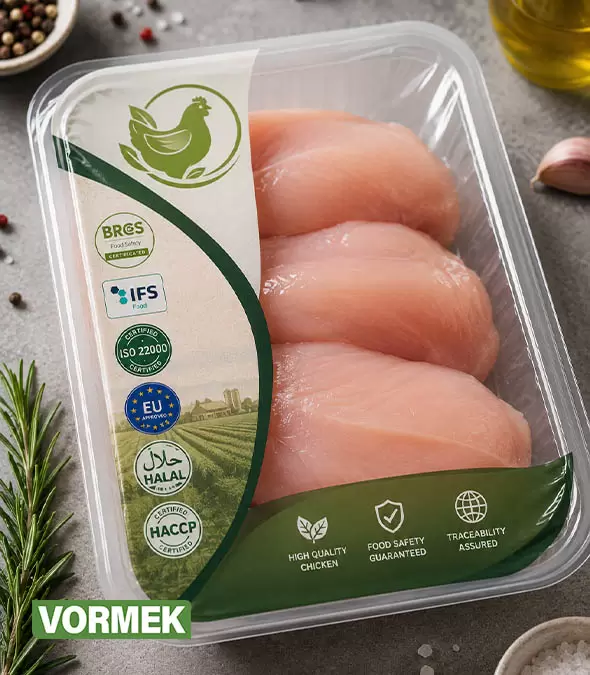
Viele internationale Märkte verlangen auch eine Zertifizierung durch Dritte, wie z. B. BRC Global Standards, IFS Food oder FSSC 22000. Diese Zertifizierungen belegen das Engagement eines Produzenten für Lebensmittelsicherheit und sind oft eine Voraussetzung für die Belieferung großer Einzelhandelsketten.
Verbraucheranforderungen: Treiber des Marktes für Qualität und Nachhaltigkeit
Verbraucher in reifen internationalen Märkten gehören zu den umweltbewusstesten der Welt. Dies prägt den Geflügelverpackungsmarkt maßgeblich. Der Markt wird von einer wachsenden Nachfrage nach nachhaltigen, hygienischen und bequemen Lösungen angetrieben, die mit modernen Lebensstilen und Werten übereinstimmen.
Nachhaltigkeit als Kernanforderung
Nachhaltigkeit ist kein Nischenthema mehr; sie ist eine Mainstream-Anforderung. Es gibt einen spürbaren Trend zu gesünderen und nachhaltigeren Optionen, wobei Verbraucher zunehmend Produkte suchen, die bio, aus Freilandhaltung sind und ohne zugesetzte Hormone oder Antibiotika auskommen. Dies erstreckt sich direkt auf die Verpackung.
Verbraucher suchen aktiv nach:
- Reduziertem Kunststoffeinsatz und erhöhter Recyclingfähigkeit: Verbraucher sind aufgrund von Umweltbedenken und den in vielen internationalen Märkten hochentwickelten Systemen zur Abfalltrennung und zum Recycling sehr kritisch gegenüber unnötigem Kunststoff.
- Transparenz und Rückverfolgbarkeit: Es besteht der Wunsch nach klaren Informationen über Beschaffungspraktiken und Produktionsmethoden. Verpackungen, die ihre eigenen Nachhaltigkeitsmerkmale aufzeigen können (z. B. “hergestellt aus 50 % recyceltem PET” oder “vollständig recycelbar”), sind ein wirkungsvolles Marketinginstrument.
- Umweltfreundlichen Verpackungsmaterialien: Der Markt verzeichnet ein starkes Wachstum bei Materialien, die biologisch abbaubar, kompostierbar oder aus nachwachsenden Rohstoffen hergestellt sind.
- Minimalistischer Verpackung: Der Trend zum Minimalismus erstreckt sich auch auf die Verpackung, wobei Verbraucher schlichte, klare Designs bevorzugen, die Authentizität und Qualität vermitteln.
Die Rolle fortschrittlicher Verpackungstechnologien
Trotz des starken Drucks in Richtung Nachhaltigkeit bleibt eine Anforderung unverändert entscheidend: die Qualität und Frische des Geflügels. Moderne Verbraucher erwarten hochwertiges Geflügel, das ethisch und nachhaltig produziert wurde, aber sie erwarten auch, dass es frisch und sicher ist, wenn sie die Verpackung zu Hause öffnen.
Hier sind Schutzgasverpackung (MAP) und Vakuumverpackung unverzichtbar. Diese Technologien sind der Industriestandard zur Erhaltung der Geflügelqualität während des Vertriebs und der Einzelhandelspräsentation.
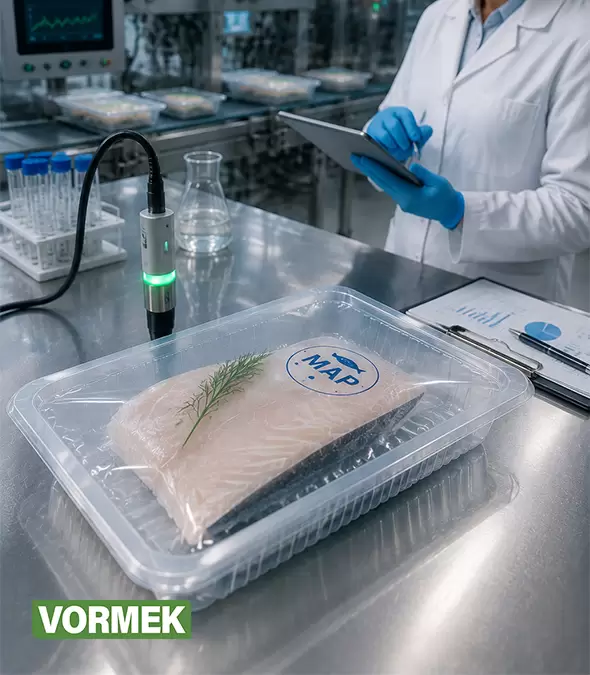
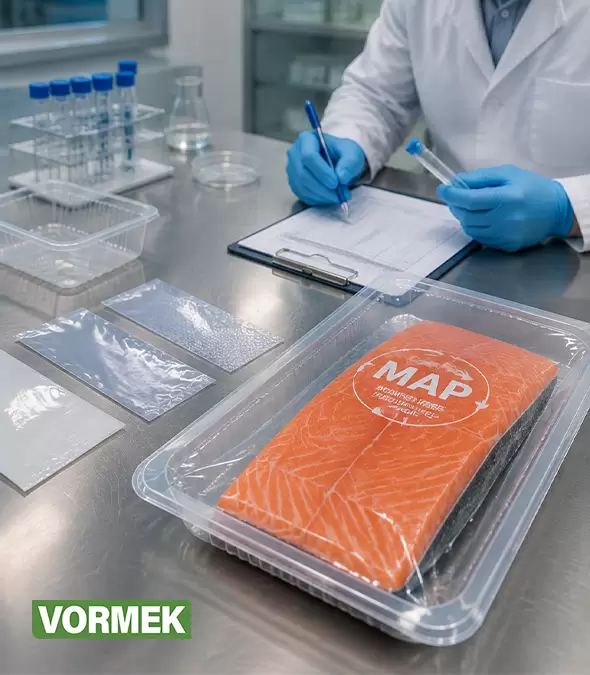
MAP ist die wichtigste Methode zur Verlängerung der Haltbarkeit von Frischfleisch, indem Sauerstoff durch eine sorgfältig abgestimmte Gasmischung verdrängt wird. Dies schafft eine Umgebung, die Verderbsorganismen hemmt und gleichzeitig die natürliche Farbe und Textur des Fleisches bewahrt. Das Ergebnis ist ein Produkt, das über längere Zeiträume frisch und ansprechend bleibt.
Die Vakuumverpackung hingegen entfernt fast den gesamten Sauerstoff, um eine anaerobe Umgebung zu schaffen, die Verderbsorganismen hemmt. Diese Methode kann zwar die Farbe des Fleisches beeinflussen, ist aber für Geflügel hochwirksam und bietet hervorragende Konservierungsergebnisse.
In internationalen Märkten dienen diese Technologien nicht nur der Bequemlichkeit; sie sind unerlässlich, um Lebensmittelabfälle entlang der Lieferkette zu reduzieren. Eine längere Haltbarkeit durch fortschrittliche Verpackung bedeutet, dass weniger Produkt während des Transports oder im Einzelhandelsregal verdirbt, was zu den Nachhaltigkeitszielen beiträgt, die sowohl Verbraucher als auch Regulierungsbehörden fordern.
Die Auswirkung von Premiumverpackungen auf die Marke
Angesichts hoher Verbrauchererwartungen und eines harten Wettbewerbs wird die Verpackung zu einem wirkungsvollen Instrument der Markendifferenzierung. Professionelle Verpackungen, die funktional, nachhaltig und optisch ansprechend sind, können einen Premiumpreis rechtfertigen. Sie vermitteln ein Bild von Qualität und Sorgfalt, das das Vertrauen der Verbraucher aufbaut.
Betrachten Sie die folgenden Wege, wie Verpackung den Markenwert steigert:
- Erster Eindruck: Die Verpackung ist der erste Kontaktpunkt zwischen dem Produkt und dem Verbraucher. Eine professionelle, attraktive Verpackung schafft einen positiven ersten Eindruck.
- Qualitätssignal: Hochwertige Verpackung signalisiert, dass der Produzent Wert auf das Produkt legt und in seine Präsentation investiert hat.
- Storytelling: Die Verpackung bietet eine Leinwand, um die Geschichte der Marke zu erzählen – sei es über nachhaltige Anbaupraktiken, Tierschutzstandards oder lokale Beschaffung.
- Wiedererkennung: Ein konsistentes Verpackungsdesign schafft im Laufe der Zeit Markenbekanntheit und erleichtert es den Verbrauchern, das Produkt zu identifizieren und auszuwählen.
Markttrends: Was treibt den internationalen Geflügelverpackungssektor an?
Der globale Geflügelverpackungsmarkt ist dynamisch und entwickelt sich ständig weiter. Das Verständnis der wichtigsten Markttreiber kann Produzenten helfen, zukünftige Bedürfnisse vorherzusehen und der Konkurrenz einen Schritt voraus zu sein. Die folgenden Trends verändern die Branche.
Technologische Fortschritte in der Verpackung
Innovationen bei Verpackungsmaterialien und -techniken sind ein ständiges Merkmal der Branche. Dazu gehören die Entwicklung fortschrittlicher Barrierefolien, die überlegenen Schutz gegen Sauerstoff und Feuchtigkeit bieten, aktive Verpackungslösungen, die mit dem Lebensmittel interagieren, um die Haltbarkeit zu verlängern, und Vakuum-Skinverpackungen, die eine enge, formangepasste Versiegelung für eine hochwertige Ästhetik bieten.
Aktive Verpackungen sind ein aufkommender Trend, der Substanzen enthält, die aktiv mit dem Lebensmittel oder der Verpackungsumgebung interagieren. Dies kann Sauerstofffänger, Feuchtigkeitsregulatoren oder antimikrobielle Wirkstoffe umfassen, die zur Konservierung des Produkts beitragen.
Intelligente Verpackungen gehen noch einen Schritt weiter, indem sie Sensoren integrieren, die den Zustand des Produkts überwachen und Informationen an den Verbraucher oder die Lieferkette weitergeben. Dies kann Frischeindikatoren, Zeit-Temperatur-Indikatoren oder Gassensoren umfassen, die die Verpackungsintegrität erkennen.
Hochbarrierefolien entwickeln sich weiter und bieten verbesserten Schutz bei dünneren Materialschichten. Dies ermöglicht es Produzenten, den Materialeinsatz zu reduzieren und gleichzeitig den Produktschutz zu erhalten oder zu verbessern.
Nachfrage nach Convenience und Fertigprodukten
Ein hektischer Lebensstil und sich verändernde Arbeitsmuster treiben die Nachfrage nach Convenience-Food weltweit an. Der Markt für verarbeitetes Geflügelfleisch verzeichnet eine steigende Nachfrage nach fertigen und kochfertigen Produkten wie marinierten Hähnchenbrüsten, Würstchen, Nuggets und Aufschnitt.
Dieser Trend erfordert Verpackungen, die nicht nur schützend sind, sondern auch:
- Leicht zu öffnen: Verbraucher wollen Verpackungen, die schnell und einfach geöffnet werden können.
- Wiederverschließbar: Viele Verbraucher bevorzugen Verpackungen, die nach dem Öffnen wieder verschlossen werden können.
- Mikrowellengeeignet: Verpackungen, die direkt vom Kühlschrank in die Mikrowelle können, bieten maximalen Komfort.
- Portionskontrolliert: Einzelportionsverpackungen sprechen Verbraucher an, die für eine Person kochen oder die Portionsgrößen kontrollieren möchten.
Die Stärke der Nachhaltigkeitsbewegung
Der “grüne” Trend ist nicht nur ein Markttreiber; er ist eine transformative Kraft. Die Betonung der Reduzierung des Kunststoffeinsatzes und der Erhöhung der Recyclingfähigkeit beeinflusst jeden Aspekt des Verpackungsdesigns.
Unternehmen investieren massiv in Forschung und Entwicklung, um innovative Verpackungslösungen zu entwickeln, die die Umweltbelastung reduzieren, wie z. B.:
- Biologisch abbaubare Schalen: Hergestellt aus pflanzlichen Materialien, die in der Umwelt auf natürliche Weise abgebaut werden.
- Recycelbare Monomaterialien: Verpackungen aus einem einzigen Materialtyp, die ohne Trennung leicht recycelt werden können.
- Reduzierter Materialeinsatz: Leichtbau und Materialoptimierung, die den ökologischen Fußabdruck von Verpackungen verringern.
- Wiederverwendbare Verpackungen: Innovative Modelle, die es ermöglichen, Verpackungen zurückzugeben und wiederzuverwenden.
Digitalisierung und Datenintegration
Die Verpackungsindustrie wird zunehmend digital, wobei Daten eine zentrale Rolle bei der Optimierung von Abläufen spielen. Moderne Verpackungslinien sind mit zentralen Steuerungssystemen verbunden, die die Leistung überwachen, den Output verfolgen und Probleme in Echtzeit identifizieren.
Industrie-4.0-Konzepte verändern Verpackungsabläufe durch:
- Fernüberwachung der Geräteleistung
- Vorausschauende Wartung mittels Datenanalyse
- Datengetriebene Optimierung von Produktionsprozessen
- Integration mit ERP-Systemen für einen nahtlosen Datenfluss
Herausforderungen für Geflügelproduzenten und -verpacker in internationalen Märkten
Während internationale Märkte erhebliche Chancen bieten, stellen sie auch beträchtliche Herausforderungen dar, die einen ausgefeilten Ansatz erfordern.
Navigieren in einem engen regulatorischen Rahmen
Die schiere Menge und Komplexität der Vorschriften, von der PPWR bis hin zu nationalen Gesetzen, die vage Umweltaussagen wie “klimaneutral” allein auf der Grundlage von Kompensation verbieten, schaffen ein schwieriges Umfeld für Unternehmen. Die Nichteinhaltung kann zu erheblichen Geldstrafen und dem Verbot des Inverkehrbringens von Produkten führen. Dies erfordert ein engagiertes Bemühen, auf dem Laufenden zu bleiben und sich schnell anzupassen.
Zu den wichtigsten Herausforderungen bei der Einhaltung der Vorschriften gehören:
- Die Verfolgung regulatorischer Änderungen
- Das Verständnis komplexer Anforderungen
- Die kosteneffiziente Implementierung von Anpassungen
- Die Dokumentation der Konformität für Inspektionen
Hohe Nachhaltigkeitsstandards erfüllen, ohne die Qualität zu beeinträchtigen
Die Herausforderung, Kunststoff zu reduzieren und nachhaltigere Materialien zu verwenden, ist erheblich, da diese neuen Materialien immer noch das hohe Maß an Produktschutz, Hygiene und Haltbarkeit bieten müssen, das sowohl Verbraucher als auch Einzelhändler verlangen. Eine recycelbare Schale ist nur dann eine nachhaltige Lösung, wenn sie Verderb und Lebensmittelverschwendung während der gesamten Lieferkette verhindern kann.
Die Abwägung von Nachhaltigkeit und Funktionalität erfordert:
- Gründliche Tests nachhaltiger Materialien
- Die Neugestaltung von Verpackungen, um mit neuen Materialien effektiv zu funktionieren
- Die Sicherstellung der Leistung während des gesamten Verteilungsprozesses
- Die Aufklärung der Verbraucher über die ordnungsgemäße Entsorgung
Intensiver Wettbewerb
Der internationale Markt ist hart umkämpft. Sowohl große Anbieter als auch Handelsmarken kämpfen um Marktanteile. Produzenten müssen kontinuierlich innovativ sein, um vorne zu bleiben, sei es durch Verpackungsdesign, Nachhaltigkeitsmerkmale oder Produktdifferenzierung.
Kostendruck
Schwankende Rohstoffkosten, insbesondere für Polymere und Papier, üben ständigen Druck auf die Rentabilität der Verpackungsbetriebe aus. Produzenten müssen das Bedürfnis nach hochwertigen, nachhaltigen Verpackungen mit dem Gebot, die Betriebskosten effektiv zu kontrollieren, in Einklang bringen.
Wichtige Verpackungsanforderungen für Geflügelfleisch in internationalen Märkten
Die Erfüllung der Anforderungen internationaler Märkte erfordert die Beachtung mehrerer wichtiger Verpackungsanforderungen, die über die Grundlagen des Schutzes und der Aufbewahrung hinausgehen.
| Anforderung | Beschreibung |
|---|---|
| Haltbarkeitsverlängerung | Internationale Lieferketten umfassen oft lange Transportzeiten. Die Verpackung muss die Haltbarkeit erheblich verlängern, um sicherzustellen, dass das Produkt frisch ankommt. |
| Kühlkettenintegrität | Die Aufrechterhaltung der Kühlkette ist für Geflügelprodukte nicht verhandelbar. Die Verpackung muss so ausgelegt sein, dass sie Temperaturschwankungen standhält und ihre Integrität während des gesamten Vertriebs bewahrt. |
| Lebensmittelsicherheit und Hygiene | Strenge Lebensmittelsicherheitsstandards erfordern Verpackungen, die Kontamination und Bakterienwachstum verhindern, einschließlich auslaufsicherer Siegel und hygienischer Konstruktionsprinzipien. |
| Kennzeichnung und Rückverfolgbarkeit | Internationale Märkte erfordern eine umfassende Kennzeichnung, die Herkunft, Verarbeitungsdatum, Haltbarkeit und Nährwertangaben umfasst. Fortschrittliche Verpackungssysteme integrieren sich in Etikettierungs- und Rückverfolgbarkeitssoftware. |
| Nachhaltigkeit | Die Nachfrage nach nachhaltigen Verpackungen wächst rapide, einschließlich der Verwendung von Recyclingmaterialien, reduziertem Kunststoffanteil und vollständig recycelbaren Verpackungen. |
| Ästhetische Attraktivität | Die Verpackung ist ein wichtiges Marketinginstrument. Sie muss optisch ansprechend sein, um Verbraucher anzuziehen. Klare, hochtransparente Folien, professionelle Schalendesigns und präzises Siegeln tragen alle zu einem hochwertigen Produktauftritt bei. |
Technische Überlegungen für Geflügelverpackungsanlagen
Kriterien für die Geräteauswahl
Die Auswahl von Verpackungsanlagen für Geflügelanwendungen erfordert eine sorgfältige Bewertung mehrerer technischer Faktoren:
- Anforderungen an das Produktionsvolumen: Die Ausrüstung muss in der Lage sein, die aktuellen Produktionsanforderungen zu erfüllen und gleichzeitig eine zukünftige Kapazitätserweiterung zu ermöglichen. Modulare Designs ermöglichen es den Produzenten, den Betrieb zu skalieren, ohne die gesamte Ausrüstung ersetzen zu müssen.
- Produkteigenschaften: Geflügelprodukte variieren in Größe, Form und Konsistenz. Die Ausrüstung muss diese Variationen berücksichtigen und gleichzeitig eine gleichbleibende Verpackungsqualität gewährleisten. Einstellbare Form- und Siegelparameter sind für die Verarbeitung unterschiedlicher Produktspezifikationen unerlässlich.
- Hygienisches Design: Die Ausrüstung muss aus lebensmitteltauglichen Materialien, typischerweise Edelstahl 304 oder 316, gefertigt und für eine gründliche Reinigung ausgelegt sein. Glatte Oberflächen, abgerundete Ecken und selbstentleerende Konstruktionen verhindern die Ansammlung von Bakterien und erleichtern die Sanitärversorgung.
- Automatisierungsintegration: Moderne Verpackungslinien integrieren mehrere automatisierte Funktionen, darunter Formen, Befüllen, Versiegeln und Etikettieren. Ausrüstungen mit speicherprogrammierbaren Steuerungen (SPS) und Mensch-Maschine-Schnittstellen (HMI) ermöglichen eine präzise Steuerung und Überwachung.
Siegelintegrität und Qualitätskontrolle
Die Siegelintegrität ist bei der Geflügelverpackung von entscheidender Bedeutung, da Undichtigkeiten zu Kontamination und Produktverlust führen können. Zu den wichtigsten technischen Überlegungen gehören:
- Siegelparameter: Temperatur, Druck und Verweilzeit müssen präzise gesteuert werden, um eine gleichbleibende Siegelqualität zu erreichen. Abweichungen bei einem Parameter können die Siegelintegrität beeinträchtigen.
- Siegelprüfung: Die regelmäßige Überprüfung der Siegelfestigkeit durch Zugprüfungen, Berstprüfungen oder Vakuumverfallprüfungen gewährleistet eine gleichbleibende Qualität. Methoden der statistischen Prozesskontrolle (SPC) können Trends bei der Siegelqualität überwachen.
- Materialkompatibilität: Die Siegelparameter müssen auf die spezifischen Folien- und Schalenmaterialien abgestimmt werden. Unterschiedliche Materialien erfordern für optimale Ergebnisse unterschiedliche Siegelbedingungen.
Materialhandhabung und Linienintegration
Eine effiziente Materialhandhabung ist für produktive Geflügelverpackungsbetriebe unerlässlich. Zu den technischen Überlegungen gehören:
- Produktzuführungssysteme: Automatisierte Zuführungssysteme, die Geflügelportionen konsistent für die Verpackung positionieren, reduzieren den Arbeitsaufwand und verbessern die Verpackungsqualität.
- Schalen- und Folienhandhabung: Die Ausrüstung muss Schalen und Folien ohne Beschädigung handhaben können. Richtige Spannungskontrolle, Registerhaltung und Ausrichtung gewährleisten eine gleichmäßige Verpackungsformung.
- Integration mit vor- und nachgelagerten Vorgängen: Die Verpackungsausrüstung muss sich nahtlos in die Verarbeitungs-, Etikettierungs- und Kartonierungsvorgänge integrieren lassen. Fördersysteme und Transfermechanismen sollten den Produktfluss ohne Staus oder Beschädigungen aufrechterhalten.
Häufig gestellte Fragen
1. Welche Verpackungsvorschriften sind für Geflügel in internationalen Märkten am wichtigsten?
Zu den wichtigsten Vorschriften gehören die neue EU-Verpackungsverordnung (PPWR), die im August 2026 in Kraft tritt und Recyclingfähigkeit, Verpackungsminimierung und Rezyklatanteile vorschreibt, sowie nationale Vorschriften zu Verpackung und Fleischkennzeichnung.
2. Ist fortschrittliche Verpackungstechnologie für Geflügelexporte unerlässlich?
Ja, fortschrittliche Verpackungstechnologie ist für die Aufrechterhaltung der Produktqualität während des internationalen Transports unerlässlich. Technologien wie MAP und Vakuumverpackung verlängern die Haltbarkeit und erhalten die Produktqualität.
3. Was sind die wichtigsten Verpackungsmaterialien für Geflügel in internationalen Märkten?
Der Markt bewegt sich hin zu nachhaltigen und recycelbaren Materialien wie PET, PP, Papierschalen und Folien aus nachwachsenden Rohstoffen. Hochbarrierefolien bleiben für den Produktschutz unerlässlich.
4. Wie können Produzenten die Einhaltung der internationalen Verpackungsvorschriften sicherstellen?
Produzenten sollten mit Verpackungsexperten zusammenarbeiten, die die regulatorische Landschaft verstehen und Verpackungslösungen entwickeln können, die alle Anforderungen erfüllen. Dies umfasst Investitionen in Ausrüstung, die nachhaltige Materialien verarbeiten und sich in Etikettiersysteme integrieren lässt.
5. Wie sieht die Zukunft der Geflügelverpackung aus?
Die Zukunft liegt in intelligenten, nachhaltigen Verpackungen, die aktive und intelligente Funktionen mit umweltfreundlichen Materialien kombinieren. Dazu gehören Sensoren zur Frischeerkennung, verbesserte Recyclingfähigkeit und Verpackungen, die für Kreislaufwirtschaftsprinzipien ausgelegt sind.
6. Wie beeinflusst die Verpackung die Kaufentscheidungen der Verbraucher?
Die Verpackung ist ein wichtiger Faktor bei den Kaufentscheidungen der Verbraucher. Professionelle, attraktive Verpackungen schaffen Vertrauen, kommunizieren Qualität und differenzieren Produkte in überfüllten Einzelhandelsregalen.
7. Welche Rolle spielt die Verpackung bei der Reduzierung von Lebensmittelabfällen?
Eine ordnungsgemäße Verpackung verlängert die Haltbarkeit und schützt Produkte während des Transports und der Lagerung, wodurch die Menge an Lebensmitteln, die verdirbt, bevor sie den Verbraucher erreicht, reduziert wird. Dies ist ein entscheidender Beitrag zu den weltweiten Nachhaltigkeitsbemühungen.
8. Wie oft sollten Verpackungsanlagen gewartet werden?
Regelmäßige Wartung ist für den zuverlässigen Betrieb unerlässlich. Vormek bietet detaillierte Wartungspläne und Support, um sicherzustellen, dass die Ausrüstung weiterhin optimal funktioniert.
9. Was ist die PPWR und warum ist sie für die Geflügelverpackung wichtig?
Die Verpackungs- und Verpackungsabfallverordnung (PPWR) ist eine neue EU-Verordnung, die im August 2026 in Kraft tritt und Recyclingfähigkeit, Verpackungsminimierung und Rezyklatanteile vorschreibt. Sie ist wichtig, weil sie grundlegend verändert, welche Verpackungen auf dem EU-Markt zugelassen sind.
10. Wie beeinflusst das Kühlkettenmanagement die Geflügelverpackung?
Das Kühlkettenmanagement ist für die Geflügelqualität von entscheidender Bedeutung. Die Verpackung muss ihre Integrität bei Temperaturschwankungen bewahren und Kondensation verhindern. Selbst kurzzeitige Temperaturabweichungen können die Produktqualität und -sicherheit beeinträchtigen.
11. Was sind die Anforderungen an das hygienische Design von Geflügelverpackungsanlagen?
Die Ausrüstung muss eine Edelstahlkonstruktion, glatte Oberflächen mit minimaler Rauheit, abgerundete Ecken zur Verhinderung von Bakterienansammlungen, selbstentleerende Konstruktionen und Kompatibilität mit Reinigungsanlagen vor Ort (CIP) aufweisen.
12. Wie wirkt sich die Wahl des Verpackungsmaterials auf die Geflügelqualität aus?
Die Materialauswahl beeinflusst die Sauerstofftransmissionsrate, die Wasserdampftransmissionsrate, die Klarheit, die Siegelfestigkeit und die Durchstoßfestigkeit. Jede Eigenschaft beeinflusst die Produktqualität und die Haltbarkeit.
Fazit: Der Weg zum Erfolg auf internationalen Geflügelmärkten
Die Verpackung von Geflügel für internationale Märkte erfordert mehr als nur eine schützende Hülle. Sie erfordert einen integrierten Ansatz, der regulatorische Anforderungen, Verbrauchererwartungen an Qualität und Nachhaltigkeit sowie die kommerzielle Tragfähigkeit in Einklang bringt. Die Einsätze sind hoch, aber die Belohnungen sind beträchtlich für Produzenten, die es richtig machen.
Wesentliche Erkenntnisse für Produzenten:
- Die Einhaltung gesetzlicher Vorschriften ist nicht verhandelbar: Das Verständnis und die Einhaltung internationaler Verpackungsvorschriften ist unerlässlich. Dies umfasst die neue PPWR, die Recyclingfähigkeit und Nachhaltigkeit vorschreibt, sowie nationale Vorschriften zur Kennzeichnung und Fleischherkunft. Produzenten müssen in das Fachwissen und die Systeme investieren, die für die Aufrechterhaltung der Konformität erforderlich sind.
- Die Verbrauchererwartungen treiben den Markt: Nachhaltigkeit, Transparenz und hochwertiges Aussehen sind wichtige Treiber für die Kaufentscheidungen der Verbraucher in internationalen Märkten. Produzenten, die auf diese Erwartungen mit innovativen Verpackungslösungen reagieren, werden sich einen Wettbewerbsvorteil verschaffen.
- Technologie ist der Wegbereiter: Fortschrittliche Verpackungstechnologien wie MAP, Vakuum und Thermoformen sind unerlässlich, um die Erwartungen an Haltbarkeit und Qualität zu erfüllen. Die Investition in moderne, zuverlässige Ausrüstung ist eine Voraussetzung für den Erfolg in anspruchsvollen internationalen Märkten.
- Nachhaltigkeit ist eine Anforderung, keine Option: Die Reduzierung von Verpackungsabfällen und die Erhöhung der Recyclingfähigkeit ist nicht länger optional; sie ist eine Voraussetzung, um wettbewerbsfähig zu bleiben. Produzenten, die Nachhaltigkeit annehmen, sind besser in der Lage, regulatorische Anforderungen und Verbrauchererwartungen zu erfüllen.
- Technische Exzellenz ist entscheidend: Die Geräteauswahl, das hygienische Design, die Siegelintegrität und die Materialhandhabung erfordern alle sorgfältige technische Überlegungen. Produzenten sollten mit Geräteherstellern zusammenarbeiten, die die technischen Anforderungen der Geflügelverpackung verstehen.
- Partnerschaft ist wertvoll: Die Zusammenarbeit mit einem erfahrenen Hersteller von Verpackungsmaschinen kann den Zugang zu Fachwissen in den Bereichen regulatorische Konformität, Materialauswahl und Prozessoptimierung ermöglichen. Diese Partnerschaft kann Produzenten helfen, kostspielige Fehler zu vermeiden und die Markteinführungszeit zu beschleunigen.
Vormek bietet fortschrittliche Verpackungslösungen für Geflügelproduzenten, die internationale Märkte beliefern. Unsere Schalensiegelmaschinen, Thermoformmaschinen und Vakuumverpackungssysteme sind für Präzision, Zuverlässigkeit und Hygiene ausgelegt und erfüllen die strengsten regulatorischen und qualitativen Standards.
Kontaktieren Sie das Ingenieurteam von Vormek, um Ihre Geflügelverpackungsanforderungen zu besprechen und zu erfahren, wie unsere Lösungen Ihren Erfolg auf den internationalen Märkten unterstützen können.