Introduction
Fresh fish represents one of the most perishable protein sources available to consumers. Its delicate texture, mild flavour, and exceptional nutritional profile make it highly desirable, yet these same characteristics render it extremely susceptible to rapid deterioration. The combination of high moisture content, sensitive protein structures, and significant levels of polyunsaturated fatty acids creates an environment where spoilage begins almost immediately after harvest.
For producers, processors, and distributors in the seafood industry, the challenge is clear: how to deliver fresh fish to consumers with the quality, safety, and freshness they expect, while extending the product’s usable life sufficiently to enable efficient distribution. Traditional methods of preservation—ice storage, simple chilled display, and basic plastic packaging—have long proven inadequate for the demands of modern supply chains.
This is where Modified Atmosphere Packaging (MAP) has emerged as a transformative solution. By carefully controlling the gas environment within the package, MAP technology slows the biochemical and microbiological processes that drive spoilage, preserving fish quality for significantly longer periods.
This article examines the science behind fresh fish spoilage, the mechanisms of MAP technology, and the practical considerations for implementing MAP in fish processing operations. Whether you are a seafood processor seeking to extend your product’s market reach or an industry professional evaluating packaging technology options, this guide provides the technical insight you need.
Looking to extend the shelf life of your fresh fish products? Vormek’s specialised seafood packaging machinery delivers precision, reliability, and hygiene. Speak to our packaging engineers today.
1. Understanding Fish Quality: Composition and Sensory Characteristics
Fresh fish fillets are prized for their delicate texture, subtle flavour, and nutritional value. However, the very characteristics that make them appealing also make them vulnerable to rapid deterioration.
Composition and Nutritional Profile
Fish fillets comprise a complex matrix of water, proteins, lipids, and micronutrients. Understanding this composition is essential for appreciating the preservation challenges involved.
- Moisture Content: Fish muscle tissue typically contains 65-80% water, creating an ideal environment for enzymatic reactions and microbial growth. This high moisture content, while contributing to the desirable texture of fresh fish, also makes it particularly susceptible to spoilage.
- Protein Structure: Fish proteins are highly sensitive to temperature and pH changes. Post-mortem enzymatic activity begins almost immediately, breaking down protein structures and leading to textural softening. The rate of protein degradation depends on factors including fish species, handling conditions, and storage temperature.
- Lipid Composition: The lipid fraction of fish is rich in long-chain polyunsaturated fatty acids, particularly the nutritionally valuable omega-3 fatty acids EPA and DHA. These fatty acids are highly susceptible to oxidation, a process that not only reduces nutritional value but also generates undesirable flavours and odours.
Sensory Properties and Quality Indicators
For consumers and buyers, fish quality is assessed through several sensory parameters:
- Texture: Fresh fish fillets exhibit firm, elastic flesh that springs back when pressed. As spoilage progresses, enzymatic breakdown of muscle proteins leads to softening, and the flesh loses its characteristic resistance.
- Appearance: Fresh fillets display bright, translucent, and moist surfaces. Colour varies by species but should be vibrant and consistent. Deterioration manifests as dulling, discolouration, or the development of a greyish or brownish cast.
- Odour: Fresh fish has a mild, pleasant aroma reminiscent of the sea or cucumber. Spoilage produces increasingly strong, unpleasant odours associated with ammonia, sulphur compounds, and other volatile breakdown products.
- Surface Condition: Fresh fish surfaces are clean and moist. Spoilage may result in the development of a slimy coating as bacterial populations proliferate.
2. The Challenge of Fresh Fish Shelf Life
The limited shelf life of fresh fish presents significant challenges throughout the supply chain. Understanding these challenges is fundamental to appreciating the value of advanced packaging solutions.
Current Shelf Life Limitations
Fresh fish, when stored under optimal refrigerated conditions, typically maintains acceptable quality for a limited period. This timeframe varies considerably based on species, handling, and storage conditions. Fish with higher fat content generally have shorter shelf lives than leaner white fish species, as their lipid content is more susceptible to oxidation.
The relatively short shelf life creates several operational challenges:
- Distribution Constraints: Products must move through the supply chain quickly, limiting the geographic reach of fresh fish and requiring sophisticated logistics.
- Inventory Management: Retailers and distributors must carefully manage inventory to minimise waste while maintaining adequate supply.
- Quality Consistency: Even within the acceptable shelf life period, quality declines progressively, creating inconsistency in consumer experience.
Economic Impact of Spoilage
The economic consequences of fish spoilage are substantial. Industry estimates suggest that a significant percentage of fresh fish is lost to spoilage at various points in the supply chain—from harvest through processing, distribution, and retail.
- Producer Losses: Spoilage during processing or storage represents direct financial loss for producers, including the cost of raw materials, labour, and processing inputs.
- Retail Losses: Retailers face losses from unsold products that must be discounted or discarded. These losses reduce profit margins and increase operating costs.
- Consumer Impact: When consumers receive products with compromised quality, their trust in the brand is diminished, potentially affecting future purchasing decisions.
3. Intrinsic and Extrinsic Factors Affecting Fish Quality
Fish quality is influenced by a complex interplay of intrinsic factors (inherent characteristics of the fish) and extrinsic factors (handling, processing, and environmental conditions). A comprehensive understanding of these factors is essential for effective preservation.
Intrinsic Factors
- Species Variability: Different fish species exhibit significantly different spoilage rates. Species with higher fat content tend to spoil more rapidly due to the susceptibility of their lipids to oxidation. Muscle structure, enzyme activity, and initial microbial loads also vary between species.
- Age and Condition: The age, nutritional status, and overall health of the fish at harvest influence its post-mortem quality. Stress during capture can accelerate spoilage by depleting energy reserves and increasing enzyme activity.
- Seasonal Variation: Seasonal factors, including water temperature, feeding patterns, and reproductive cycles, can affect fish composition and, consequently, its storage characteristics.
Extrinsic Factors
- Temperature Control: Temperature is the single most critical extrinsic factor affecting fish quality. Every degree of temperature increase above optimal storage conditions accelerates spoilage reactions exponentially. Proper temperature management from harvest through consumption is essential for maintaining quality and safety.
- Handling Practices: The way fish is handled from the moment of capture through processing and packaging significantly impacts final quality. Rough handling can cause physical damage, creating entry points for microorganisms and accelerating deterioration. Clean handling practices minimise contamination risks.
- Hygiene and Sanitation: Microbial contamination can occur at any point in the supply chain. Proper cleaning and sanitation of equipment, facilities, and personnel are essential for maintaining product quality and safety.
4. Biochemical and Microbial Spoilage Mechanisms
Understanding the mechanisms of fish spoilage is essential for appreciating how MAP technology works. The deterioration of fresh fish involves multiple, interconnected processes.
Enzymatic Deterioration
After death, fish tissues continue to undergo enzymatic reactions that progressively break down cellular structures. This process, known as autolysis, is driven by enzymes naturally present in the fish tissue.
- Proteolysis: Proteolytic enzymes break down muscle proteins into smaller peptides and amino acids. This process, while contributing to the desirable textural changes in some aged products, progresses to undesirable softening and loss of structural integrity in fresh fish.
- Lipolysis: Lipolytic enzymes break down lipids into free fatty acids and glycerol. Free fatty acids are more susceptible to oxidation, contributing to flavour deterioration.
- Autolytic Effects: The products of enzymatic breakdown provide substrates for microbial growth, creating a synergistic relationship between enzymatic and microbial spoilage.
Lipid Oxidation
The oxidation of fish lipids is a free-radical process that generates a cascade of breakdown products, many of which contribute to undesirable flavours and odours.
- Primary Oxidation: Initial oxidation produces hydroperoxides and other primary oxidation products. These compounds are not themselves highly flavoured but serve as precursors to secondary oxidation products.
- Secondary Oxidation: Secondary products, including aldehydes, ketones, and volatile fatty acids, are responsible for the rancid, fishy, or painty odours associated with oxidised fish.
- Factors Affecting Oxidation: Lipid oxidation is accelerated by oxygen exposure, light (particularly ultraviolet), elevated temperature, and the presence of pro-oxidative compounds.
Microbial Spoilage
Fish tissue provides an excellent growth medium for a wide range of microorganisms. The combination of high moisture content, abundant nutrients, and near-neutral pH creates favourable conditions for rapid bacterial proliferation.
- Psychrotrophic Bacteria: Bacteria capable of growing at refrigeration temperatures, including Pseudomonas, Shewanella, and Photobacterium species, are the primary spoilage organisms in chilled fish. These bacteria produce enzymes and metabolic byproducts that cause off-odours, slime formation, and textural changes.
- Spoilage Indicators: As bacteria grow, they produce characteristic indicators of spoilage. Volatile nitrogen compounds, including ammonia and trimethylamine, contribute to the fishy odour of spoiled product. Hydrogen sulphide and other sulphur compounds produce unpleasant, “off” aromas.
- The Role of Oxygen: Many spoilage bacteria require oxygen for growth. This fundamental characteristic is central to how vacuum and MAP packaging control spoilage.
Pathogenic Concerns
Beyond spoilage organisms, fish can harbour pathogens that present food safety risks. Proper processing and packaging must address both quality and safety considerations.
- Common Fish Pathogens: Pathogens of concern in fish include Listeria monocytogenes, Salmonella species, Vibrio parahaemolyticus, and, in certain products, Clostridium botulinum.
- Safety Controls: Temperature control is the primary safety measure for fresh fish. Additional controls, including sanitation, proper handling, and packaging, contribute to a comprehensive safety programme.
5. Physical Damage and Environmental Factors
Physical damage and environmental exposure can significantly impact fish quality and shelf life, often through mechanisms that interact with biochemical and microbial deterioration.
Mechanical Damage
Fish tissue is delicate and susceptible to damage from rough handling, pressure, and impact. Such damage has multiple negative consequences:
- Tissue Disruption: Physical damage disrupts cell membranes, releasing enzymes and substrate compounds that accelerate deterioration. Damaged tissues provide easier access for microorganisms.
- Accelerated Oxidation: Disrupted tissue exposes more surface area to oxygen, accelerating lipid oxidation and associated quality deterioration.
- Cosmetic Effects: Visible damage, such as bruising, tearing, or compression, reduces product appeal and can affect consumer acceptance.
Light Exposure
Exposure to light, particularly ultraviolet and fluorescent light, can accelerate quality deterioration through multiple mechanisms:
- Photo-oxidation: Light energy can initiate or accelerate lipid oxidation, even in the absence of significant oxygen exposure.
- Pigment Degradation: Light exposure can bleach or alter natural pigments, affecting product appearance.
- Temperature Effects: Light exposure can raise surface temperatures, locally accelerating deterioration processes.
6. Modified Atmosphere Packaging: A Modern Solution
Modified Atmosphere Packaging (MAP) has emerged as one of the most effective technologies for extending the shelf life of fresh fish and other perishable seafood products.
Principles of MAP
MAP works by modifying the atmosphere inside the package to create conditions that slow the biological and chemical processes responsible for spoilage.
- Gas Exchange: The air inside the package (containing approximately 21% oxygen) is replaced with a carefully formulated gas mixture. The specific gas composition is tailored to the product’s characteristics and the preservation requirements.
- The Packaging Process: The MAP packaging sequence involves three primary steps. First, air is removed from the package (typically through vacuum extraction). Second, the desired gas mixture is introduced into the package. Third, the package is sealed to maintain the modified atmosphere.
- Seal Integrity: Effective MAP depends on creating a package that maintains the modified atmosphere throughout the product’s shelf life. Poor seals or permeable films compromise the atmosphere and reduce the preservation benefit.
The Role of Individual Gases
Each component of the MAP gas mixture serves a specific purpose in preserving fish quality:
- Carbon Dioxide: Carbon dioxide is the primary active component in MAP for fish. It inhibits the growth of spoilage bacteria by creating conditions that affect bacterial cell metabolism. Higher CO₂ concentrations generally provide greater preservation benefit, though the gas must be balanced with other considerations.
- Nitrogen: Nitrogen acts as an inert filler gas. It displaces oxygen to prevent oxidation while maintaining package volume and preventing collapse. Nitrogen’s function is passive, providing the packaging structure without chemical interaction with the product.
- Oxygen Considerations: For most white fish, oxygen levels are kept as low as possible to prevent oxidation and associated quality deterioration. For some fatty fish species, low levels of oxygen may be included to maintain desirable colour characteristics.
Impact on Shelf Life
MAP provides substantial shelf life extension for fresh fish. The preservation benefit is achieved through the combined effects of microbial inhibition, oxidative protection, and moisture retention.
- Quality Maintenance: Beyond simply extending shelf life, MAP helps maintain product quality more consistently throughout the storage period, ensuring a better consumer experience even at the end of shelf life.
- Distribution Benefits: The extended shelf life enables greater distribution flexibility and reduced pressure on the supply chain.
7. MAP vs. Alternative Packaging Methods
Understanding the relative advantages of MAP requires comparison with other packaging methods commonly used for fresh fish. Each method has its own characteristics, benefits, and limitations.
Vacuum Packaging
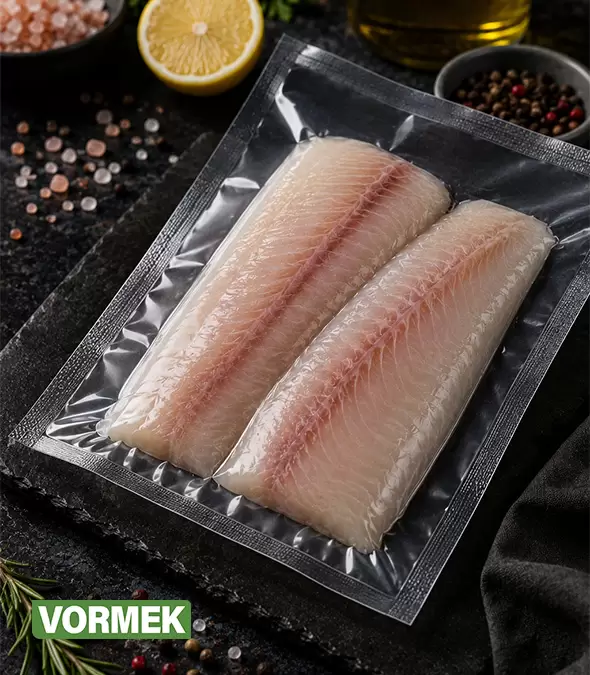
Vacuum packaging removes air from the package before sealing, creating an oxygen-free environment.
Benefits: Vacuum packaging effectively inhibits aerobic bacteria and prevents oxidative spoilage. It reduces package volume for efficient storage and transport. The method is relatively simple and widely available.
Limitations: The absence of oxygen can create conditions favourable for anaerobic pathogens if temperature control is inadequate. The compression from vacuum packaging can damage delicate fish texture and may affect appearance. Once the package is opened, the preservation benefit is lost.
Modified Atmosphere Packaging (MAP)
MAP replaces the package atmosphere with a controlled gas mixture, rather than simply removing air.
Benefits: MAP maintains product appearance and texture without compression. The gas mixture can be tailored to specific product requirements. Oxygen levels can be balanced against preservation and colour needs. MAP packaged fish retains attractive appearance for retail display.
Limitations: MAP requires more sophisticated equipment and gas handling. The packaging materials must have appropriate barrier properties to maintain the atmosphere. Initial capital investment is higher than for simpler packaging methods.
Table 1: Comparison of Packaging Methods for Fresh Fish
| Characteristic | MAP | Vacuum Packaging | Conventional Packaging |
|---|---|---|---|
| Appearance | Excellent | Good (slightly compressed) | Variable |
| Texture | Excellent | Good (some compression) | Variable |
| Microbial Control | Excellent | Excellent | Limited |
| Oxidation Control | Excellent | Excellent | Limited |
| Product Compression | None | Some | None |
| Tailorable Atmosphere | Yes | No | No |
| Retail Display Appeal | High | Moderate | Moderate |
8. Operational and Economic Benefits of MAP
The adoption of MAP for fresh fish provides substantial operational and economic benefits that extend throughout the supply chain.
Shelf Life Extension and Supply Chain Efficiency
The primary economic benefit of MAP is the extension of shelf life, which delivers multiple positive effects across the supply chain:
- Geographic Expansion: Longer shelf life enables fish products to reach more distant markets, including export opportunities that would not be feasible with conventional packaging.
- Inventory Management: Extended shelf life provides greater flexibility in production scheduling and inventory management, reducing the pressure for rapid distribution.
- Reduced Urgency: The pressure associated with short shelf life is substantially reduced, enabling more considered logistics and lower costs.
Waste Reduction
The reduction in waste is a significant economic and environmental benefit of MAP:
- Processing Waste Reduction: Longer shelf life reduces losses during processing and storage, improving yield efficiency.
- Retail Waste Reduction: Extended marketable life reduces the volume of product that must be discounted or discarded at retail, improving retailer profitability.
- Consumer Waste Reduction: Products that remain fresh longer in the consumer’s refrigerator reduce household food waste, benefiting consumers and supporting sustainability.
Pricing and Profitability
The quality benefits of MAP can translate into improved pricing and profitability:
- Premium Positioning: MAP packaged fish often commands premium pricing at retail, reflecting the quality and freshness benefits perceived by consumers.
- Reduced Discounting: The extended shelf life reduces the need for urgent discounting to move product nearing the end of shelf life.
- Brand Value: Consistently high quality supports brand positioning and consumer loyalty.
Brand Reputation
MAP contributes to brand reputation in several important ways:
- Quality Consistency: MAP helps ensure that the product consumers receive is the product the brand intended to deliver.
- Innovation Perception: Investment in advanced packaging technology signals brand commitment to quality and innovation.
- Safety Assurance: Proper MAP implementation demonstrates commitment to food safety and quality management.
9. Vormek Packaging Machinery for Fish Processing
Vormek has developed a comprehensive range of packaging machinery suitable for fish and seafood processing, with specific capabilities that support MAP applications.
Vormek Tray Sealer
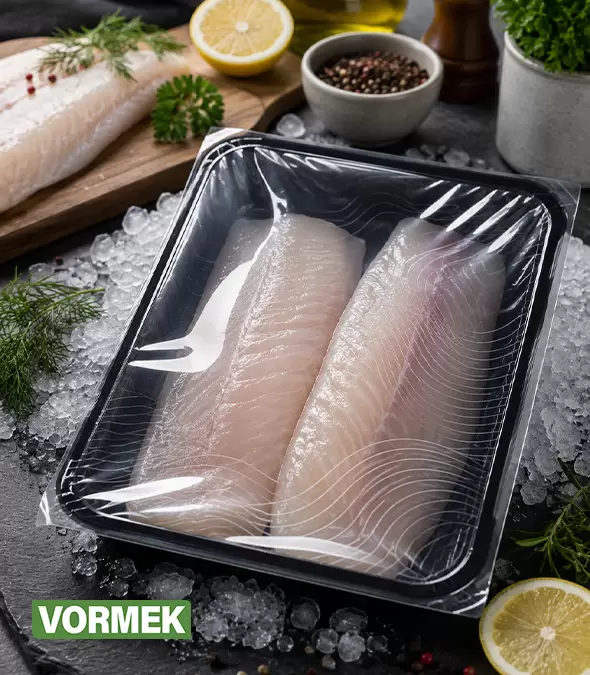
The Vormek Tray Sealer is designed for the efficient packaging of fresh fish in rigid and semi-rigid trays.
Applications: This machine is suitable for packaging fresh fish portions, fillets, and whole fish in pre-formed trays. Its adaptability makes it useful for operations with diverse product lines.
Key Features: The Vormek Tray Sealer provides precision sealing with the option of gas flushing for MAP applications. Its stainless steel construction supports the hygiene requirements of fish processing. The adjustable sealing parameters can accommodate different tray materials and sealing conditions.
Operational Benefits: The tray sealer offers efficient operation with straightforward changeover between different package formats. Its design promotes reliable, consistent sealing performance.
Hygienic Design: The machine features smooth surfaces and accessible components for cleaning. The stainless steel construction resists corrosion and supports sanitation protocols.
Vormek Thermoforming Machine
For high-volume operations requiring automated packaging, the Vormek Thermoforming Machine offers significant advantages.
Process: The thermoforming machine forms the package base from film, fills it with product, applies a top film, and seals the package in a continuous automated process. Gas flushing for MAP is integrated into the cycle.
Efficiency: Thermoforming offers high throughput with minimal manual intervention. The integrated nature of the process supports efficient operation and consistent quality.
Flexibility: The machine can accommodate various package sizes and formats, providing flexibility for diverse product lines.
Reliability: The robust construction and high-quality components ensure reliable performance over extended production runs.
Vormek Vacuum Chamber
The Vormek Vacuum Chamber machine offers reliable vacuum packaging for fish in flexible pouches.
Benefits: The vacuum chamber provides effective oxygen removal for preservation. Its construction supports the hygiene requirements of fish processing. The equipment can be specified with gas flushing capabilities for MAP applications.
Applications: The vacuum chamber is suitable for operations where pouch packaging is preferred, including portion packs and bulk packaging.
Operational Features: The machine offers programmable cycles and straightforward operation, supporting consistent packaging results.
10. MAP Packaging Process for Fresh Fish
The successful application of MAP to fresh fish follows a structured process that integrates multiple factors. Attention to each step helps ensure optimal results.
Step One: Raw Material Selection
Quality starts with the raw material. Fish of good initial quality responds better to MAP preservation.
- Freshness Assessment: Use objective measures including visual inspection, odour assessment, and where available, chemical indicators of freshness.
- Consistency: Select fish of consistent quality to maintain predictable shelf life results.
Step Two: Preparation
Proper preparation maintains product quality and supports effective packaging.
- Cleaning and Hygiene: Clean fish thoroughly, ensuring equipment and surfaces are properly sanitised. Maintain strict hygiene to minimise initial microbial load.
- Portioning: Cut portions to consistent sizes for uniform packaging. Consider portion sizing that supports efficient packaging.
Step Three: Temperature Control
Temperature management is the essential foundation of fish preservation.
- Chilling: Ensure fish temperature is at optimal levels before packaging. Remove fish from the chill chain as briefly as possible before packaging.
- System Integrity: Maintain the cold chain throughout the packaging process. Avoid temperature excursions that could compromise quality.
Step Four: Packaging Material Selection
The choice of packaging material is critical to MAP success.
- Barrier Properties: Select films with appropriate oxygen and carbon dioxide barrier properties. The material must maintain the modified atmosphere throughout shelf life.
- Food Contact Suitability: Ensure materials are suitable for direct food contact and comply with regulatory requirements.
Step Five: Packaging Operation
The packaging process itself must be performed carefully and consistently.
- Equipment Setup: Configure the packaging machine according to the product requirements. Ensure gas flushing parameters are appropriate for the application.
- Seal Integrity: Check seal quality regularly to ensure packages are properly sealed.
Step Six: Quality Verification
Quality control procedures help ensure consistent results.
- Atmosphere Analysis: Periodically test the atmosphere in packaged products to verify gas composition.
- Seal Testing: Test packages for seal integrity to identify potential issues.
- Shelf Life Testing: Conduct periodic shelf life tests to verify that performance is maintained.
Step Seven: Distribution
The final link in the chain is proper distribution and storage.
- Temperature Control: Ensure the cold chain is maintained from packaging to the retail display.
- Stock Rotation: Practice appropriate stock rotation to ensure quality is maintained in inventory.
Table 2: Quality Factors and MAP Control Mechanisms
| Quality Factor | Spoilage Mechanism | MAP Control Mechanism |
|---|---|---|
| Texture | Enzymatic proteolysis | Temperature control, reduced microbial activity |
| Colour | Oxidation, pigment degradation | Oxygen reduction |
| Flavour | Lipid oxidation, microbial metabolites | Oxygen reduction, CO₂ microbial inhibition |
| Odour | Volatile compounds from bacteria | CO₂ microbial inhibition |
| Nutritional Value | Fatty acid oxidation, protein breakdown | Oxygen reduction |
| Safety | Pathogen growth | Temperature control, CO₂ inhibition |
| Moisture Retention | Evaporation, drip loss | Barrier films, controlled humidity |
11. Conclusion
Modified Atmosphere Packaging represents a significant advancement in fresh fish preservation technology. By carefully controlling the package atmosphere, MAP extends the shelf life of fresh fish while maintaining the quality characteristics consumers value.
The benefits of MAP extend through the supply chain—from producers and processors to retailers and consumers. Extended shelf life enables new market opportunities, reduces waste, and supports premium positioning. Quality consistency supports brand reputation and consumer loyalty.
For fish processors considering implementing MAP, the critical success factors include appropriate equipment selection, proper packaging materials, and careful process control. Temperature management remains essential throughout the preservation chain.
Vormek’s range of packaging machinery provides reliable, hygienic equipment suitable for fish processing applications. The tray sealers, thermoforming machines, and vacuum chambers incorporate features designed to support MAP and other advanced packaging processes.
The investment in MAP technology represents a commitment to quality and a strategic response to the challenges and opportunities of the modern seafood market.
Ready to extend the shelf life of your fresh fish products? Vormek engineers are available to assess your requirements and recommend appropriate equipment for your production needs. Contact us today to discuss your project.
Frequently Asked Questions
1. What is Modified Atmosphere Packaging for fish?
Modified Atmosphere Packaging replaces the air inside a package with a controlled gas mixture to slow spoilage processes and extend the shelf life of fresh fish.
2. How does MAP compare with vacuum packaging for fish?
MAP maintains the appearance of fish without compression, making it better suited for products displayed in transparent packages. Vacuum packaging removes all oxygen but can compress the product.
3. What types of fish benefit most from MAP packaging?
All fresh fish benefit from MAP packaging. Fatty fish with high omega-3 content benefit particularly from the oxidative protection provided by low-oxygen MAP atmospheres.
4. Is MAP packaging suitable for all seafood products?
MAP packaging is suitable for most seafood products. Gas compositions are tailored to the product requirements, with different formulations for different species and product types.
5. What equipment is required for MAP packaging?
MAP packaging requires equipment capable of evacuating air and flushing packages with the appropriate gas mixture. Tray sealers and thermoforming machines are commonly used.
6. How does temperature affect MAP-packaged fish?
Temperature control is essential for MAP preservation. MAP provides preservation benefits, but the underlying spoilage reactions continue to occur, and the rate of these reactions depends strongly on temperature.
7. Can MAP packaging eliminate food safety risks?
MAP packaging reduces spoilage but does not eliminate the need for temperature control and proper handling. MAP fish remains perishable and must be stored under appropriate conditions.
8. What packaging materials are suitable for MAP?
MAP requires films with good barrier properties to maintain the modified atmosphere. Multilayer films with low oxygen permeability are typically used.
9. Does MAP affect the taste of fresh fish?
MAP helps preserve the natural taste of fresh fish by preventing oxidation and microbial spoilage that can create off-flavours. When correctly applied, MAP maintains the authentic flavour profile.
10. How does MAP contribute to sustainability?
MAP reduces food waste throughout the supply chain by extending shelf life, which conserves the resources used in fish production, processing, and distribution.
Final Call to Action
For expert guidance on fresh fish packaging equipment selection, line design, and operational optimisation, Vormek’s engineering team is ready to assist. Our packaging specialists understand the specific requirements of fish processing, and we are committed to delivering solutions that enhance product quality, operational efficiency, and market reach.
Contact Vormek today to discuss your project requirements.