Die wachsende Bedeutung der Verpackung in der Essiggemüse- und Olivenindustrie
In den letzten Jahren hat die Lebensmittelindustrie bedeutende Veränderungen bei der Verpackung und Vermarktung traditioneller Produkte erlebt. Unter diesen haben sich Essiggemüse als eines der beliebtesten fermentierten Lebensmittel etabliert und nehmen einen besonderen Stellenwert in den Ernährungsgewohnheiten vieler Länder ein, insbesondere in Asien und im Nahen Osten. Da das Bewusstsein der Verbraucher für Qualität, Gesundheit und Produktsicherheit weiter wächst, hat sich die Rolle der Verpackung weit über den bloßen Schutz des Produktäußeren hinaus entwickelt. Sie ist zu einem entscheidenden Element geworden, um die Konservierung zu gewährleisten, den Verzehr zu erleichtern, Kunden anzuziehen und die Markenidentität zu stärken.
Im heutigen wettbewerbsintensiven Markt muss die Verpackung von Essiggemüse nicht nur technisch die Anforderungen an Lagerung und Transport erfüllen, sondern auch durch innovatives Design und umweltverträgliche Materialauswahl ein angenehmes Verbrauchererlebnis bieten. Dieser Artikel bietet eine umfassende Untersuchung der Anforderungen, Materialien, Techniken und innovativen Ideen bei der Verpackung von Essiggemüse und Oliven und gibt klare Anleitungen für Hersteller und Interessengruppen dieser Branche.
Die Essiggemüse- und Olivenindustrie steht im Vergleich zu anderen Lebensmittelsektoren vor besonderen Herausforderungen. Der saure Charakter von Einlegelaken, das Vorhandensein von Ölen in Olivenprodukten und die Notwendigkeit einer verlängerten Haltbarkeit stellen alle spezifische Anforderungen an die Verpackungsmaterialien. Das Verständnis dieser Anforderungen ist für die Auswahl geeigneter Folien unerlässlich, die die Produktqualität erhalten und gleichzeitig die Erwartungen der Verbraucher an Bequemlichkeit und Nachhaltigkeit erfüllen.
Verpackungsfolien verstehen: Definition und Anwendungen
Eine Verpackungsfolie bezeichnet jedes flexible Kunststoffmaterial, das zum Verschließen von Produkten während der Lagerung, des Transports oder der Präsentation im Einzelhandel verwendet wird. Diese Folien finden umfangreiche Anwendungen in verschiedenen Branchen, darunter Pharmazeutik, Elektronik und insbesondere im Lebensmittelsektor. Bei Lebensmittelanwendungen dienen Folien als Schutzschichten neben starren Behältern, um die Haltbarkeit des Produkts zu verlängern und die Qualität zu erhalten.
Je nach Design können Folien mit starren Deckeln verwendet werden oder unabhängig als primärer Verschluss fungieren. Einige Folien sind für den einmaligen Gebrauch ausgelegt, während andere wiederverschließbare Konfigurationen aufweisen, die ein wiederholtes Öffnen und Schließen ermöglichen. Die Auswahl des Folientyps hängt von den spezifischen Produktanforderungen, den Fähigkeiten der Verpackungsmaschinen und den Erwartungen der Verbraucher an Bequemlichkeit ab.
Verpackungsfolien haben sich in den letzten Jahrzehnten erheblich weiterentwickelt, wobei Fortschritte in der Polymerwissenschaft die Entwicklung von Materialien mit präzise kontrollierten Barriereeigenschaften ermöglicht haben. Moderne Folien können so konstruiert werden, dass sie spezifische Sauerstoffdurchlässigkeits-, Feuchtigkeitsbarriere- und mechanische Festigkeitsniveaus bieten, was eine Anpassung an verschiedene Produktarten und Lagerbedingungen ermöglicht.
Hochbarrierefolien versus Standardfolien
Standard-Verpackungsfolien bieten einen grundlegenden Schutz gegen Feuchtigkeit und Kontamination. Hochbarrierefolien sind jedoch speziell für den Schutz gegen Sauerstoff, Wasserdampf und Lichtdurchlässigkeit ausgelegt. Diese fortschrittlichen Folien werden häufig bei Verpackungsanwendungen eingesetzt, die Sauerstoffabsorptionsfähigkeiten erfordern, wie z.B. bei Fertiggerichten und verarbeiteten Fleischprodukten.
Hochbarrierefolien enthalten typischerweise mehrere Schichten verschiedener Polymere, die jeweils spezifische funktionelle Eigenschaften beitragen. Übliche Strukturen umfassen Kombinationen aus Polyethylen, Polyamid, Ethylen-Vinylalkohol (EVOH) und metallisierten Schichten. Die Auswahl der Schichtstruktur hängt von den spezifischen Barriereanforderungen und den Verarbeitungsbedingungen ab, denen die Verpackung ausgesetzt sein wird.
Standardfolien werden dagegen häufiger für frische, gekühlte Produkte mit kürzerer erwarteter Haltbarkeit verwendet. Diese Folien bieten einen ausreichenden Schutz für Produkte, die relativ schnell verzehrt werden und keine verlängerten Konservierungszeiträume erfordern. Die Wahl zwischen Hochbarriere- und Standardfolien stellt einen Ausgleich zwischen Leistungsanforderungen und Kostengesichtspunkten dar.
| Folientyp | Barriereeigenschaften | Typische Anwendungen |
|---|---|---|
| Standardfolien | Grundlegender Feuchtigkeits- und Kontaminationsschutz | Frisches Obst und Gemüse, kurz haltbare Kühlprodukte |
| Hochbarrierefolien | Schutz gegen Sauerstoff, Wasserdampf und Licht | Essiggemüse, Oliven, verarbeitetes Fleisch, Fertiggerichte |
Wichtige Vorteile von Polymer-Verpackungsfolien in der Lebensmittelindustrie
Operative Einfachheit
Verpackungsfolien bieten in Lebensmittelverarbeitungsumgebungen erhebliche operative Vorteile. Eine einzige Folienabmessung kann mehrere starre Behältertypen aufnehmen, wodurch der Lagerbedarf reduziert und die Effizienz der Produktionslinie erhöht wird. Diese Flexibilität ermöglicht es den Herstellern, ihre Verpackungsabläufe zu optimieren und gleichzeitig die Qualitätsstandards einzuhalten. Die Anpassungsfähigkeit der Folien an verschiedene Behälterformate ist besonders wertvoll für Hersteller, die mehrere Produktlinien handhaben. Durch die Standardisierung der Folien spezifikationen für verschiedene Verpackungsformate können Hersteller Rüstzeiten reduzieren und Materialabfälle minimieren.
Visuelle Attraktivität
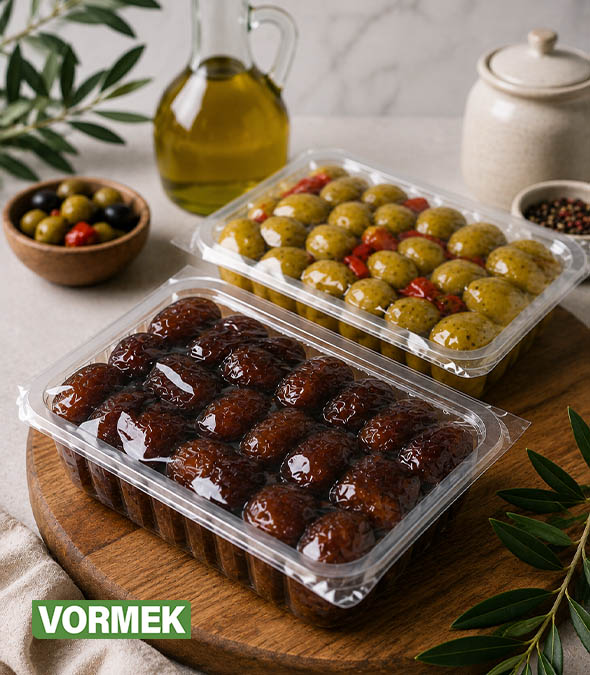
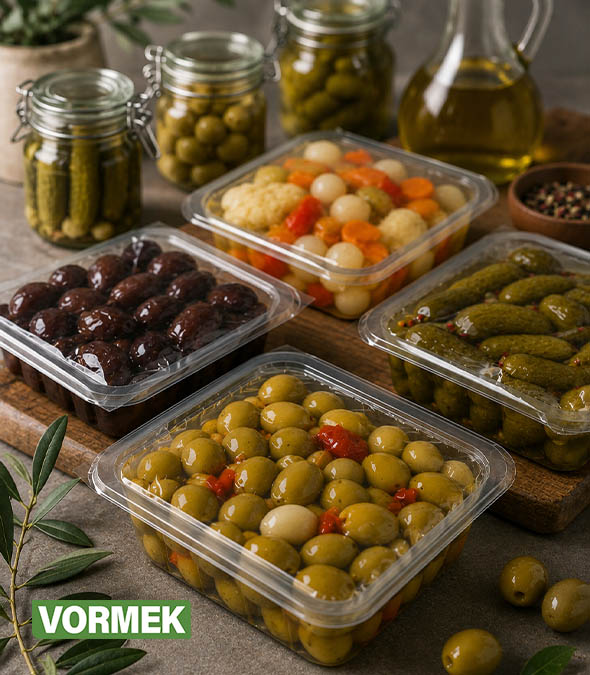
Transparente Folien bieten den Verbrauchern eine direkte Sicht auf das Produkt, was das Vertrauen und die Kaufentscheidung erhöht. Die Möglichkeit, das tatsächliche Produkt durch die Verpackung zu sehen, ist besonders wichtig für Essiggemüse und Oliven, wo Verbraucher die Produktqualität oft anhand von Aussehen, Farbe und Klarheit der Lake beurteilen. Die Klarheit moderner Verpackungsfolien hat sich mit Fortschritten in der Polymertechnologie erheblich verbessert. Hochklare Folien behalten hervorragende optische Eigenschaften bei und bieten gleichzeitig die erforderliche Barriereleistung, um sicherzustellen, dass die Produkte während ihrer gesamten Haltbarkeit sichtbar und ansprechend bleiben.
Manipulationssicherheit
Verpackungsfolien bieten Manipulationssicherheit, die anzeigt, ob eine Verpackung geöffnet oder beeinträchtigt wurde. Diese Eigenschaft trägt wesentlich zur Lebensmittelsicherheit und zum Verbraucherschutz bei. Manipulationssichere Siegel sind besonders wichtig für eingelegte Produkte und Oliven, wo die Produktintegrität für das Verbrauchervertrauen unerlässlich ist. Manipulationssichere Merkmale können durch verschiedene Mechanismen integriert werden, darunter Aufreißstreifen, Heißsiegel, die Öffnungsspuren zeigen, und Folien mit bruchsicheren Verschlüssen.
Frischhaltung
Folien bilden eine wirksame Barriere gegen Luft, Feuchtigkeit und Verunreinigungen, verlängern die Haltbarkeit des Produkts und reduzieren Abfälle. Die Erhaltung der Frische ist besonders wichtig für Essiggemüse und Oliven, die durch Sauerstoffeinwirkung in Mitleidenschaft gezogen werden können, was zu Farbveränderungen, Texturverschlechterung und Geschmacksbeeinträchtigung führt. Die Barriereleistung von Verpackungsfolien beeinflusst direkt die Produktqualität während der gesamten Lagerungsdauer. Die richtige Folienauswahl stellt sicher, dass Essiggemüse und Oliven ihre charakteristische Textur, Farbe und Geschmackseigenschaften behalten.
Nachhaltigkeitspotenzial
Die Verwendung von recyclebaren oder recycelten Folien, wie z.B. rPET, kann den Kunststoffverbrauch und die Umweltbelastung erheblich reduzieren. Innovative Designs zeigen, wie folienbasierte Verpackungen den Kunststoffverbrauch senken und gleichzeitig die Kosten reduzieren können. Die Nachhaltigkeitsbewegung in der Verpackung hat bedeutende Innovationen bei Folienmaterialien und -designs vorangetrieben. Monomaterialfolien, die aus einem einzigen Polymertyp bestehen, bieten im Vergleich zu mehrschichtigen Strukturen eine verbesserte Recycelbarkeit. Ebenso bietet die Entwicklung von biobasierten Folien aus nachwachsenden Rohstoffen zusätzliche Nachhaltigkeitsoptionen.
Moderne Trends bei der Folienverpackung
Monomaterial-Strukturen
Monomaterial-Designs verbessern die Recycelbarkeit und Umweltverträglichkeit. Durch die Verwendung eines einzigen Polymertyps in der gesamten Verpackungsstruktur sind diese Folien leichter zu recyceln und erfordern weniger komplexe Sortier- und Verarbeitungsschritte. Die Entwicklung hin zu Monomaterialfolien wurde sowohl durch gesetzliche Anforderungen als auch durch die Verbrauchernachfrage nach nachhaltigeren Verpackungsoptionen vorangetrieben. Fortschritte in der Polymertechnologie haben es ermöglicht, dass Monomaterialfolien Leistungsniveaus erreichen, die mit mehrschichtigen Strukturen vergleichbar sind, während sie überlegene End-of-Life-Optionen bieten.
Gesundheitsbewusste Verbrauchererwartungen
Die Folientransparenz ermöglicht es den Verbrauchern, die Produktqualität und -frische zu beurteilen, was dem wachsenden Gesundheitsbewusstsein und den Qualitätserwartungen entspricht. Klare Verpackungen ermöglichen die Sichtprüfung von Essiggemüse und Oliven, sodass Verbraucher Farbgleichmäßigkeit, Klarheit der Lake und das Fehlen von Fehlern bewerten können. Der Trend zur Transparenz bei Lebensmittelverpackungen spiegelt die breitere Verbrauchernachfrage nach Authentizität und Produktsichtbarkeit wider. Klare Verpackungen kommunizieren Vertrauen und Qualität, Faktoren, die in wettbewerbsintensiven Märkten zunehmend Kaufentscheidungen beeinflussen.
Materialreduzierung
Innovative Designs, die Folie anstelle von starren Behältern verwenden, führen zu erheblichen Reduzierungen des Rohstoffverbrauchs. Dies senkt nicht nur die Kosten, sondern verringert auch den ökologischen Fußabdruck der Verpackungsvorgänge. Die Reduzierung des Verpackungsmaterials durch folienbasierte Designs bietet sowohl wirtschaftliche als auch ökologische Vorteile. Leichtere Verpackungen reduzieren Transportkosten und Energieverbrauch, während der verringerte Materialeinsatz die Abfallerzeugung und Entsorgungsanforderungen reduziert.
Designflexibilität
Folienverpackungen ermöglichen die Produktion in kleinen und variablen Mengen, ideal für Eigenmarken, saisonale Angebote und limitierte Auflagen. Diese Flexibilität ermöglicht es den Herstellern, schnell auf Markttrends und Verbraucherpräferenzen zu reagieren. Die Vielseitigkeit der Folienverpackung unterstützt Produktinnovationen und Markendifferenzierung. Individueller Druck, spezielle Oberflächen und einzigartige Siegelmuster können integriert werden, um unverwechselbare Verpackungen zu schaffen, die sich in den Verkaufsregalen abheben.
Innovatives Design
Verbesserungen bei Verpackungsform und -funktionalität treiben weiterhin Innovationen voran. Erfolgreiche Designs zeigen, wie die Neuplatzierung von Folien unter Behältern den Kunststoffverbrauch reduzieren und gleichzeitig eine verbesserte Produktpräsentation bieten kann. Innovationen bei Folienverpackungen gehen über die Ästhetik hinaus bis hin zu funktionalen Verbesserungen. Merkmale wie abziehbare Siegel, wiederverschließbare Verschlüsse und leicht zu öffnende Designs erhöhen den Verbraucherkomfort und erhalten gleichzeitig den Produktschutz.
Materialüberlegungen für die Verpackung von Essiggemüse und Oliven
Anforderungen an die Chemikalienbeständigkeit
Die Verpackung von Essiggemüse und Oliven muss der Einwirkung von sauren Laken und Ölen ohne Zersetzung standhalten. Der saure Charakter von Einlegelaken (typischerweise pH 3,0–4,5) kann Bestandteile aus den Verpackungsmaterialien extrahieren und möglicherweise die Produktqualität und -sicherheit beeinträchtigen. Folien, die für die Verpackung von Essiggemüse und Oliven bestimmt sind, müssen chemische Stabilität bei Kontakt mit sauren Umgebungen aufweisen. Migrationstests stellen sicher, dass unter den zu erwartenden Lagerbedingungen keine unerwünschten Verbindungen von der Verpackung auf das Lebensmittel übergehen.
Sauerstoffbarriereleistung
Sauerstoffeinwirkung kann bei Essiggemüse und Oliven zu Farbveränderungen, Texturverschlechterung und Geschmacksbeeinträchtigung führen. Hochbarrierefolien mit kontrollierten Sauerstoffdurchlässigkeitsraten sind für die Erhaltung der Produktqualität während der angestrebten Haltbarkeitsdauer unerlässlich. Die Sauerstoffbarriereanforderungen für die Verpackung von Essiggemüse und Oliven hängen von der spezifischen Produktrezeptur, dem Verpackungsformat und den Lagerbedingungen ab. Einige Produkte erfordern möglicherweise extrem niedrige Sauerstoffdurchlässigkeitsraten, um Verfärbungen zu verhindern und das Aussehen zu erhalten.
Feuchtigkeitsbarriereleistung
Die Feuchtigkeitskontrolle ist für die Verpackung von Essiggemüse und Oliven von entscheidender Bedeutung. Die Verpackung muss Feuchtigkeitsverlust aus dem Produkt verhindern und gleichzeitig das Eindringen von äußerer Feuchtigkeit verhindern, die die Laken verdünnen oder die Produkttextur beeinträchtigen könnte. Die Feuchtigkeitsbarriereleistung von Folien wird durch ihre Wasserdampfdurchlässigkeitsrate bestimmt. Die Auswahl von Folien mit geeigneten Feuchtigkeitsbarriereeigenschaften stellt sicher, dass die Laken in der richtigen Konzentration bleiben und die Oliven ihre charakteristische Textur behalten.
Mechanische Festigkeit und Siegelperformance
Verpackungsfolien für Essiggemüse und Oliven müssen eine ausreichende mechanische Festigkeit bieten, um Handhabungs-, Transport- und Lagerbedingungen standzuhalten. Die Siegelintegrität ist besonders wichtig, um das Auslaufen von Laken zu verhindern und die Produktqualität zu erhalten. Die Siegelperformance hängt sowohl vom Folienmaterial als auch von den beim Verpacken verwendeten Siegellbedingungen ab. Die ordnungsgemäße Kalibrierung der Ausrüstung und die Prozesskontrolle stellen sicher, dass die Siegel die erforderliche Festigkeit erreichen, ohne die Folienstruktur zu beschädigen.
Lichtschutz
Lichteinwirkung kann die Farbe und Qualität von Essiggemüse und Oliven beeinträchtigen. Während transparente Folien die Sichtbarkeit des Produkts ermöglichen, können einige Anwendungen lichtblockierende Eigenschaften erfordern, um lichtempfindliche Bestandteile zu schützen. Die Balance zwischen Transparenz und Lichtschutz hängt von den spezifischen Produktanforderungen und Marktpräferenzen ab. Einige eingelegte Produkte, wie bestimmte Olivensorten, können von einer Verpackung profitieren, die die Lichteinwirkung begrenzt, um die Farbstabilität zu erhalten.
Überlegungen zur Verpackungsausrüstung
Schalenversiegelungssysteme
Schalenversiegelungssysteme werden häufig für die Verpackung von Essiggemüse und Oliven eingesetzt und bieten zuverlässige, luftdichte Siegel, die die Produktfrische erhalten. Diese Systeme nutzen Wärme und Druck, um Folien mit starren Behältern zu verbinden und so eine versiegelte Umgebung zu schaffen, die das Produkt schützt. Die Auswahl geeigneter Siegelparameter, einschließlich Temperatur, Druck und Verweilzeit, ist entscheidend für die Erzielung einer gleichbleibenden Siegelqualität. Die Ausrüstung muss für die spezifische Folien- und Behälterkombination ordnungsgemäß kalibriert werden.
Vakuumverpackungssysteme
Die Vakuumverpackung entfernt vor dem Versiegeln die Luft aus der Verpackung und schafft so eine sauerstoffarme Umgebung, die die Haltbarkeit verlängert. Dieser Ansatz ist besonders geeignet für Oliven und eingelegte Produkte, die von einer reduzierten Sauerstoffexposition profitieren. Die Vakuumverpackung erfordert eine sorgfältige Kontrolle des Evakuierungsprozesses, um Produktschäden zu vermeiden und gleichzeitig die gewünschte Sauerstoffreduzierung zu erreichen. Die Auswahl geeigneter Vakuumspiegel und Siegelbedingungen hängt von den spezifischen Produkteigenschaften ab.
Gasspülsysteme
Die Gasspülung ersetzt die Luft in der Verpackung durch kontrollierte Gasmischungen, typischerweise Stickstoff oder Kohlendioxid, um eine schützende Atmosphäre zu schaffen. Dieser Ansatz kann unabhängig oder in Kombination mit der Vakuumverpackung verwendet werden. Die Auswahl der Gasmischung hängt von den spezifischen Konservierungsanforderungen des Produkts ab. Für Essiggemüse und Oliven wird üblicherweise die Stickstoffspülung verwendet, um Sauerstoff zu verdrängen und gleichzeitig die Produktintegrität zu erhalten.
Thermoformungssysteme
Thermoformungssysteme formen Verpackungsfolien in kundenspezifische Formen, die sich dem Produkt anpassen, den Kopfraum reduzieren und den Schutz verbessern. Dieser Ansatz ist besonders geeignet für Produkte mit unregelmäßigen Formen oder solche, die eine minimale Produktbewegung während der Handhabung erfordern. Der Thermoformungsprozess erfordert eine sorgfältige Kontrolle von Temperatur, Druck und Zykluszeit, um gleichbleibend hochwertige Verpackungen zu erzeugen. Die Ausrüstung muss ordnungsgemäß gewartet werden, um eine gleichbleibende Leistung zu gewährleisten.
Überlegungen zur Qualitätskontrolle
Prüfung der Siegelintegrität
Die Prüfung der Siegelintegrität überprüft, ob die Verpackungssiegel die erforderlichen Spezifikationen für Festigkeit und Dichtheit erfüllen. Verschiedene Prüfverfahren sind verfügbar, darunter Sichtprüfung, physikalische Prüfung und instrumentierte Siegelbewertung. Regelmäßige Siegelprüfungen während der Produktion gewährleisten eine gleichbleibende Verpackungsqualität und identifizieren potenzielle Probleme, bevor sie große Produktmengen beeinträchtigen. Techniken der statistischen Prozesskontrolle können helfen, eine gleichbleibende Siegelperformance aufrechtzuerhalten.
Verifizierung der Barriereleistung
Die Verifizierung der Barriereleistung stellt sicher, dass die Folien den erforderlichen Schutz gegen Sauerstoff, Feuchtigkeit und andere Umwelteinflüsse bieten. Die regelmäßige Prüfung von Folienproben bestätigt, dass die Barriereeigenschaften innerhalb der festgelegten Grenzen bleiben. Barriereprüfungen sollten mit standardisierten Methoden wie der Messung der Sauerstoffdurchlässigkeitsrate und der Analyse der Wasserdampfdurchlässigkeitsrate durchgeführt werden. Die Testergebnisse sollten mit den festgelegten Spezifikationen verglichen werden, um die Einhaltung zu bestätigen.
Migrationstests
Migrationstests überprüfen, ob Verpackungsmaterialien keine unannehmbaren Mengen an Substanzen auf das Lebensmittel übertragen. Dies ist besonders wichtig für saure Produkte wie Essiggemüse und Oliven, bei denen ein höheres Migrationspotenzial bestehen kann. Migrationstests sollten mit Methoden durchgeführt werden, die für die spezifische Verpackungsmaterial- und Lebensmittelproduktkombination geeignet sind. Die Testbedingungen sollten die zu erwartenden Lagerbedingungen, einschließlich Temperatur und Zeit, simulieren.
Vergleich gängiger Verpackungsfolien
| Folientyp | Sauerstoffbarriere | Feuchtigkeitsbarriere | Chemikalienbeständigkeit | Typische Anwendung |
|---|---|---|---|---|
| Polyethylen (PE) | Niedrig | Gut | Mäßig | Frisches Obst/Gemüse, allgemeine Verpackung |
| Polypropylen (PP) | Mäßig | Gut | Gut | Trockene Lebensmittel, Snacks, Essiggemüse |
| Polyester (PET) | Hoch | Hoch | Ausgezeichnet | Hochbarriereanwendungen, Fertiggerichte |
| EVOH (Ethylen-Vinylalkohol) | Sehr hoch | Mäßig | Gut | Sauerstoffempfindliche Produkte, Essiggemüse |
| Metallisierte Folien | Sehr hoch | Sehr hoch | Gut | Lichtempfindliche Produkte, verlängerte Haltbarkeit |
Normen für Migrationstests
Migrationstests stellen sicher, dass Verpackungsmaterialien die gesetzlichen Anforderungen für Lebensmittelkontaktanwendungen erfüllen. Die folgenden Normen werden häufig herangezogen:
| Norm | Anwendungsbereich | Anwendbarkeit |
|---|---|---|
| FDA 21 CFR | Vorschriften der US-amerikanischen Food and Drug Administration | Lebensmittelkontaktmaterialien in den Vereinigten Staaten |
| EU-Verordnung (EG) 1935/2004 | Europäischer Rahmen für Lebensmittelkontaktmaterialien | Allgemeine Sicherheitsanforderungen in Europa |
| EU-Verordnung (EU) 10/2011 | Spezifische Anforderungen für Kunststoff-Lebensmittelkontaktmaterialien | Detaillierte Migrationsgrenzwerte und Prüfbedingungen |
| ISO 10993 | Biologische Bewertung von Medizinprodukten | Wird häufig für Migrationstestmethoden herangezogen |
Häufig gestellte Fragen
1. Was ist der Unterschied zwischen Hochbarriere- und Standard-Verpackungsfolien?
Hochbarrierefolien bieten einen überlegenen Schutz gegen Sauerstoff, Feuchtigkeit und Lichtdurchlässigkeit und sind daher für Produkte mit verlängerten Haltbarkeitsanforderungen geeignet. Standardfolien bieten grundlegenden Schutz gegen Feuchtigkeit und Kontamination für Produkte mit kürzerer erwarteter Haltbarkeit.
2. Welcher Folientyp ist am besten für die Verpackung von Essiggemüse geeignet?
Für die Verpackung von Essiggemüse werden Hochbarrierefolien mit hervorragenden Sauerstoffbarriereeigenschaften empfohlen. Der saure Charakter von Essiggemüse (pH 3,0–4,5) erfordert auch Folien mit guter Chemikalienbeständigkeit, um Zersetzung und Migration zu verhindern. EVOH-haltige Mehrschichtstrukturen werden häufig verwendet.
3. Was sind Migrationstests und warum sind sie für die Verpackung von Essiggemüse wichtig?
Migrationstests überprüfen, ob Verpackungsmaterialien keine unannehmbaren Mengen an Substanzen auf das Lebensmittel übertragen. Dies ist besonders wichtig für saure Produkte wie Essiggemüse, bei denen ein höheres Migrationspotenzial bestehen kann. Die Tests stellen die Einhaltung der Lebensmittelsicherheitsvorschriften sicher.
4. Sind Monomaterialfolien für die Verpackung von Essiggemüse und Oliven geeignet?
Ja, Monomaterialfolien werden zunehmend für die Verpackung von Essiggemüse und Oliven verwendet. Obwohl sie möglicherweise nicht die gleiche Barriereleistung wie mehrschichtige Strukturen bieten, haben Fortschritte in der Polymertechnologie ihre Fähigkeiten verbessert. Sie bieten eine überlegene Recycelbarkeit und Umweltverträglichkeit.
5. Welche Verpackungsausrüstung wird für die Folienverpackung von Essiggemüse und Oliven benötigt?
Je nach Verpackungsformat kann die Ausrüstung Schalenversiegelungssysteme, Vakuumverpackungssysteme, Gasspülsysteme oder Thermoformungssysteme umfassen. Die Auswahl hängt von den spezifischen Produktanforderungen, dem Produktionsvolumen und dem Verpackungsformat ab.
6. Wie beeinflusst die Sauerstoffbarriereleistung die Qualität von Essiggemüse?
Sauerstoffeinwirkung kann bei Essiggemüse und Oliven zu Farbveränderungen (Bräunung oder Verblassen), Texturverschlechterung (Erweichung) und Geschmacksbeeinträchtigung führen. Hochbarrierefolien mit niedrigen Sauerstoffdurchlässigkeitsraten helfen, die Produktqualität während der Lagerung zu erhalten.
7. Was ist der typische pH-Bereich von Essiggemüse und warum ist er für die Verpackung wichtig?
Essiggemüse hat aufgrund des sauren Charakters des Fermentations- und Einlegeprozesses typischerweise einen pH-Bereich von 3,0–4,5. Diese Säure kann Bestandteile aus Verpackungsmaterialien extrahieren, weshalb Chemikalienbeständigkeit und Migrationstests wesentliche Überlegungen sind.
8. Wie wirkt sich die Feuchtigkeitskontrolle auf die Verpackung von Essiggemüse und Oliven aus?
Die Feuchtigkeitskontrolle ist entscheidend, um eine Verdünnung der Lake (die Geschmack und Konservierung beeinflusst) zu verhindern und die Produkttextur zu erhalten. Folien mit geeigneten Wasserdampfdurchlässigkeitsraten helfen, die richtige Lakenkonzentration und Produktqualität aufrechtzuerhalten.
9. Was sind die wichtigsten Nachhaltigkeitstrends bei der Folienverpackung?
Zu den wichtigsten Nachhaltigkeitstrends gehören Monomaterial-Strukturen (ein einziger Polymertyp für verbesserte Recycelbarkeit), die Verwendung von Rezyklaten (rPET), materialreduzierende Designs und die Entwicklung von biobasierten Folien aus nachwachsenden Rohstoffen.
10. Wie wähle ich die richtige Verpackungsfolie für mein Essiggemüse- oder Olivenprodukt aus?
Die Auswahl sollte Produktart (Essiggemüse, Oliven oder andere eingelegte Produkte), pH-Wert, Haltbarkeitsanforderungen, Vertriebsbedingungen, Verbrauchererwartungen (Transparenz, Bequemlichkeit), Nachhaltigkeitsziele und Anforderungen an die Einhaltung gesetzlicher Vorschriften berücksichtigen.
Zusammenfassung und Fazit
Essiggemüse und Oliven sind wichtige Lebensmittelprodukte, die eine Verpackung erfordern, die die Konservierungsanforderungen mit den Verbrauchererwartungen an Qualität und Bequemlichkeit in Einklang bringt. Die Auswahl geeigneter Verpackungsfolien ist entscheidend für die Erhaltung der Produktqualität während der gesamten Lieferkette.
Hochbarrierefolien bieten einen überlegenen Schutz gegen Sauerstoff und Feuchtigkeit, was für Essiggemüse und Oliven mit verlängerten Haltbarkeitsanforderungen unerlässlich ist. Standardfolien können für Produkte mit kürzerer Haltbarkeit oder solche, die über Kanäle mit schnellem Umschlag verkauft werden, ausreichend sein.
Moderne Trends bei der Folienverpackung betonen Nachhaltigkeit, Transparenz und Designinnovation. Monomaterial-Strukturen, recycelbare Materialien und materialreduzierende Designs adressieren sowohl ökologische als auch wirtschaftliche Aspekte. Klare Verpackungen erfüllen die Verbrauchererwartungen an Produktsichtbarkeit und Qualitätsbeurteilung.
Die Auswahl der Ausrüstung und die Qualitätskontrollpraktiken müssen auf die spezifischen Anforderungen der Verpackung von Essiggemüse und Oliven abgestimmt sein. Die ordnungsgemäße Kalibrierung der Ausrüstung, die Prüfung der Siegelintegrität und die Verifizierung der Barriereleistung gewährleisten eine gleichbleibende Verpackungsqualität.
Migrationstests sind für die Gewährleistung der Einhaltung gesetzlicher Vorschriften und der Verbrauchersicherheit unerlässlich, insbesondere für saure Produkte. Das Verständnis der relevanten Normen (FDA 21 CFR, EU 1935/2004, EU 10/2011) ist für Hersteller, die internationale Märkte anstreben, von entscheidender Bedeutung.
Die Zukunft der Verpackung von Essiggemüse und Oliven liegt in der kontinuierlichen Innovation bei Materialien, Designs und Produktionstechniken. Die Integration nachhaltiger Materialien, verbesserter Barriereleistung und erhöhtem Verbraucherkomfort wird die nächste Generation von Verpackungslösungen für diese wichtigen Lebensmittelprodukte vorantreiben.
Die Auswahl geeigneter Verpackungsfolien, kombiniert mit geeigneter Ausrüstung und Qualitätskontrollpraktiken, ermöglicht es den Herstellern, hochwertiges Essiggemüse und Oliven zu liefern, die die Verbrauchererwartungen an Frische, Sicherheit und Bequemlichkeit erfüllen.
Benötigen Sie fachkundige Beratung zu Verpackungslösungen für Essiggemüse und Oliven?
Kontaktieren Sie Vormek Packaging Solutions für eine professionelle Beratung zur Optimierung Ihrer Verpackungsvorgänge für Essiggemüse und Oliven. Unser technisches Team bietet maßgeschneiderte Empfehlungen für die Folienauswahl, Siegelausrüstung und Konfiguration der Verpackungslinie, die auf Ihre spezifischen Produktanforderungen zugeschnitten sind.